
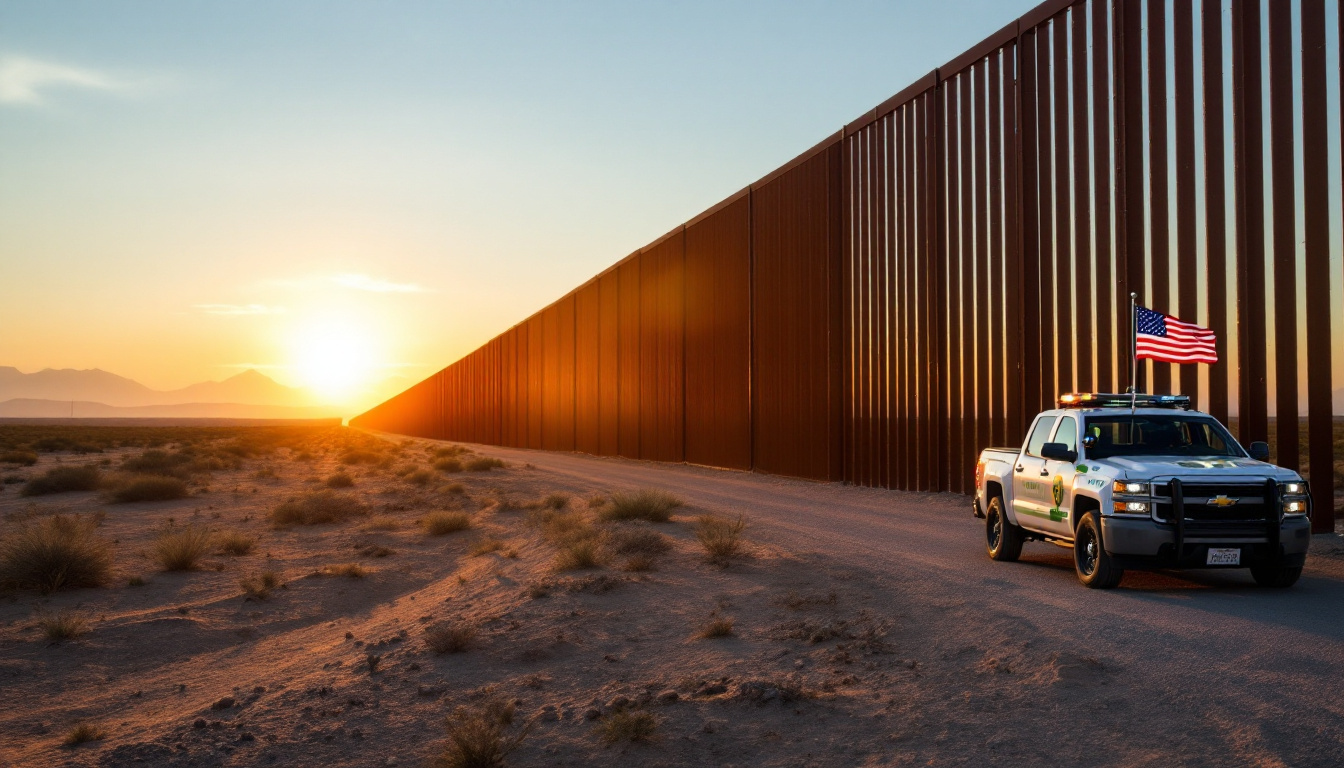
In late June, U.S. Border Patrol crossed a number it had never reached in its 102-year history: 21,271 agents on duty along the nation's borders. At the same time, illegal border crossings along the southwest border are on pace for roughly 100,000 arrests in fiscal year 2026 — a level not seen since 1968.
More agents. Fewer arrests. Turns out deterrence works when you actually try it.
U.S. Border Patrol Chief Rosario "Pete" Vasquez confirmed the milestone, calling it a "record-setting achievement." Vasquez said, "We are building a stronger workforce every day, and our progress toward 25,000 agents will further enhance our ability to protect our borders and serve the nation."
The One Big Beautiful Bill, passed in 2025, dedicated $4.1 billion specifically to CBP hiring. One such event in Colorado Springs drew more than 300 attendees.
The contrast with where things stood just two years ago is staggering. In 2024, under the Biden administration, Border Patrol had roughly 19,300 agents on the books and 3,000 open vacancies it couldn't fill. The agency was bleeding personnel faster than it could replace them, while processing 1,530,523 illegal border crossers in fiscal year 2024 alone.
One-point-five million arrests with a skeleton crew. Now compare: 100,000 projected arrests with a fully staffed force. The math isn't complicated. When you hire agents and let them enforce the law, fewer people try to break it.
As of May 2026, the U.S.-Mexico border has posted 13 straight months of zero releases — no catch-and-release, no notices to appear, no bus tickets to the interior. Thirteen months. The infrastructure side tells the same story: more than 60 miles of replacement border wall completed in fiscal year 2026, plus 25 miles of secondary barrier and 17 miles of water buoy barriers added.
The usual objection from the left is that lower crossing numbers just mean people are finding other ways in. Which is an interesting theory to float when you're also looking at the highest agent staffing in history, expanded physical barriers, and a policy framework that eliminated the incentive to cross in the first place. Deterrence doesn't just reduce the number of people who get caught. It reduces the number who try.
Consider the timeline. In 1990, the Border Patrol had about 5,000 agents. By 2024, it had roughly 19,300 and couldn't keep up with the volume. Now it's at 21,271, heading toward 25,000, and the volume has collapsed to levels not seen in nearly six decades. That's not a staffing story. That's a policy story. The staffing is what made the policy possible.
The agency that couldn't fill 3,000 vacancies two years ago just set a hiring record. The border that processed 1.5 million illegal crossings just posted its lowest arrest numbers since Lyndon Johnson was in the White House.
Same border. Same desert. Different president.