
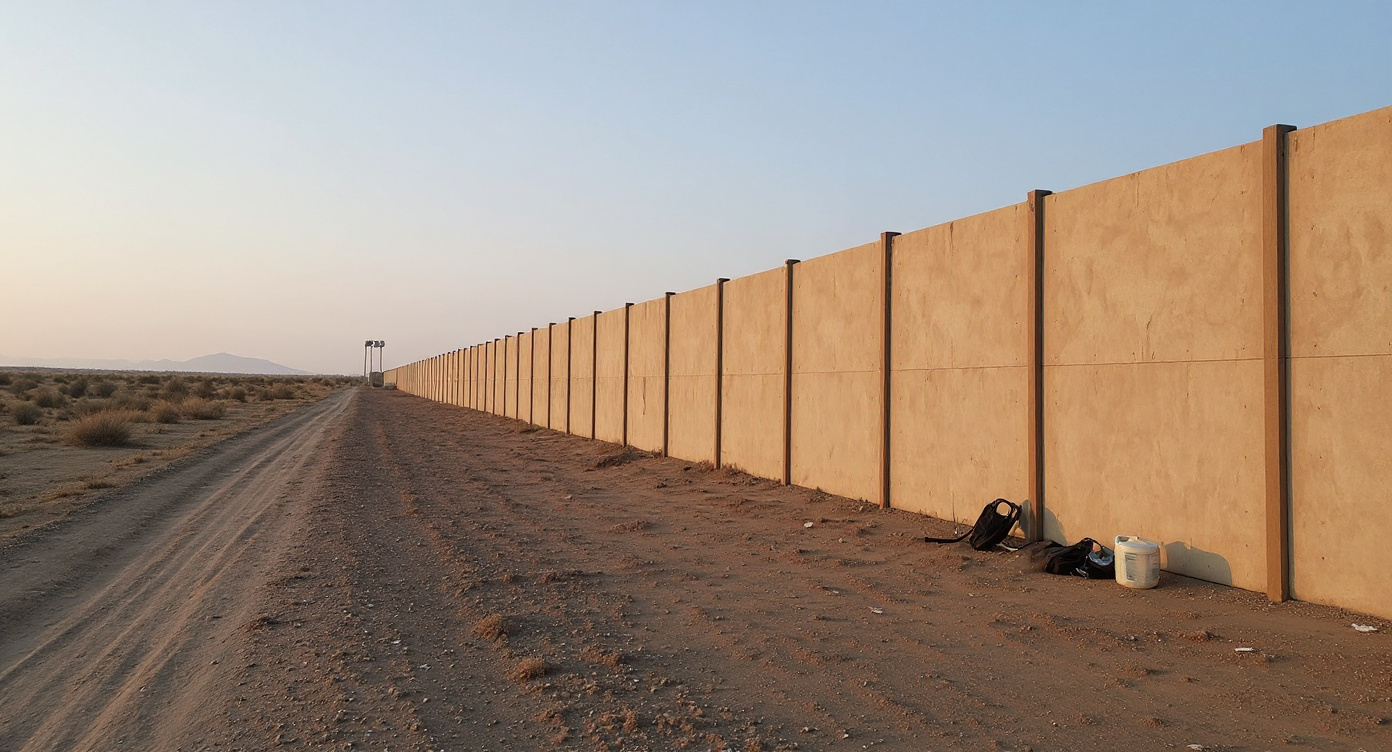
U.S. banks flagged $5 billion in transactions linked to potential human smuggling operations between 2023 and 2025. That's the kind of number that should make your stomach turn — billions flowing through our own financial system to fund the movement of human beings across our southern border.
But here's the number that matters now: 62 percent. That's how far smuggling-related financial transactions dropped in 2025 compared to 2024.
FinCEN Director Andrea Gacki released the data this week as part of a Treasury Department analysis of suspicious activity reports filed by financial institutions. "Many human smuggling networks generate profit for larger transnational criminal organizations, including Mexico-based drug cartels," Gacki said. Which is bureaucratic language for: the cartels were making a fortune off misery, and someone finally turned off the spigot.
The Financial Crimes Enforcement Network — FinCEN, for those keeping score — tracked the money trail through banks that are required to flag suspicious transactions. The $5 billion figure covers a two-year window that spans the tail end of the Biden era and the first year of Trump's second term. The contrast between those two periods is the whole story.
Department of Homeland Security Secretary Markwayne Mullin put it plainly: "Again this month, the results are clear: President Trump's border security agenda is restoring order." He added that DHS has now hit 15 consecutive months of zero illegal aliens released at the southern border.
The daily apprehension numbers tell the same story from a different angle. In July, roughly 10,000 illegal aliens were apprehended at the southern border — a 94 percent decrease from the daily rates under the Biden administration. That's not a marginal improvement. That's a different planet.
"Thanks to the strong leadership of President Trump, we have the most secure border in history," Mullin said. Under normal circumstances, a cabinet secretary saying something like that would invite eye-rolls. But 94 percent is 94 percent. The numbers do the talking.
Some will argue that reduced crossings just mean the cartels shifted to other revenue streams — fentanyl, extortion, whatever else keeps the lights on in Sinaloa. Maybe. But that's a different problem with a different enforcement apparatus. The smuggling pipeline specifically — the one that moved millions of people and billions of dollars — is collapsing. FinCEN's own data says so. When your financial crime unit reports a 62 percent decline in the money trail, the operation behind it isn't "adapting." It's shrinking.
This is what enforcement actually looks like when someone decides to try it. Not a policy paper. Not a press conference about "comprehensive reform" that never materializes. Actual border security producing actual financial consequences for actual criminal organizations, tracked by actual financial regulators.
Turns out the border wall wasn't the only thing that needed building. Sometimes you just need a president willing to enforce the laws already on the books.