
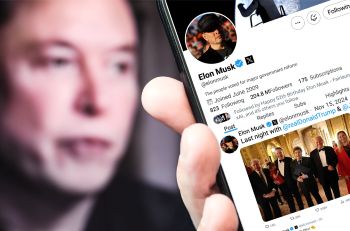
One hundred billion dollars. That's the number SpaceX just attached to Vermilion Parish, Louisiana — a stretch of Gulf Coast that most Americans couldn't find on a map until this week. The project is called Starbase Louisiana, and it's set to become the largest spaceport footprint on the planet.
California couldn't land this deal with a tractor beam.
Musk's commitment in Louisiana, which includes launch pads, manufacturing facilities, ports, and power systems are all built around SpaceX's Starship rocket program. Construction is slated to begin in 2027, with the first launch targeted for 2029. The scale is staggering: thousands of direct and indirect jobs in a region where that kind of economic injection changes everything from property values to school funding.
The move isn't just ambition. It's math. SpaceX's existing Texas Starbase is capped by the FAA at 25 launches per year across two pads — roughly 12.5 per pad. Florida's LC-39A is limited to 44 annual launches from a single pad. For a company trying to run high-cadence Starship operations, the bottleneck isn't engineering. It's bureaucratic launch caps at current sites.
Louisiana solves that. A brand-new facility means a fresh environmental review, new FAA agreements, and — critically — no inherited regulatory ceiling from decades of prior operations. Musk isn't just investing in a state. He's buying launch capacity that doesn't exist anywhere else in the country.
The usual objection writes itself: wetlands, environmental impact, coastal disruption. Except SpaceX has already navigated those reviews in Texas and Florida. The FAA process isn't new to them. And Louisiana's political leadership isn't in the business of strangling a $100 billion investment with five years of committee hearings. That's a feature, not a bug.
This is the pattern that keeps repeating. Texas got Tesla's headquarters. Tennessee got Oracle. Florida got a migration wave of finance and tech firms. Now Louisiana gets the single largest private infrastructure commitment in American history — and the common thread isn't geography or weather. It's governance. Low taxes, predictable regulation, and elected officials who treat business expansion as something other than a crime.
Meanwhile, the states that pride themselves on being the future of the American economy keep watching the future load onto a moving truck headed south.