
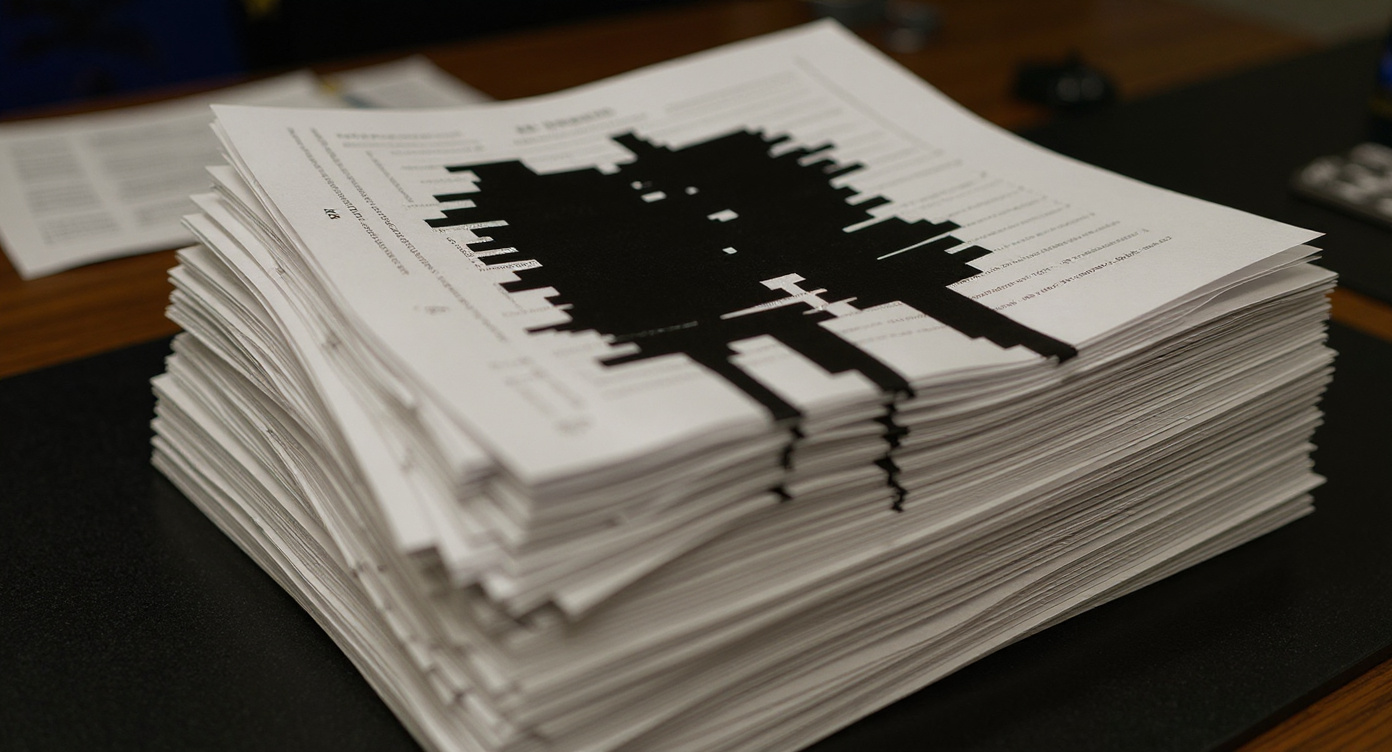
Three message threads. Three unknown contacts. August 2020. January 2023. June 2023. The FBI flagged each one as "pertinent" to its investigation of Thomas Matthew Crooks and the Butler assassination attempt — then redacted every name on the other end of those conversations.
We only know about them because Judicial Watch sued.
The watchdog organization pried 249 pages of FBI records loose through a FOIA lawsuit, and what landed in those pages raises more questions than it answers. The Bureau identified approximately 75,000 pages of potentially responsive documents related to the man who tried to kill President Trump at the Butler Farm Show grounds. They've released 249 of them. That's one-third of one percent.
The January 2023 thread references a package labeled "HK." No explanation of what that means. No context. No follow-up in the released documents. The identities of every person Crooks was communicating with in those flagged threads remain blacked out under redaction. The FBI decided those conversations mattered — the word "pertinent" was their characterization, not Judicial Watch's — and then decided the public doesn't get to know who was on the other end.
This is the same FBI that spent two years assuring Congress and the American people that Crooks acted alone. A lone wolf. No co-conspirators. No network. Case essentially closed, nothing more to see. But their own internal documents flag three separate message threads with unknown individuals across a three-year window as relevant to understanding what happened that day in Butler.
Those two positions don't sit comfortably in the same room. If the contacts weren't significant, the FBI wouldn't have flagged them as pertinent. If they were significant, the "lone actor" conclusion needed an asterisk that never appeared in any congressional briefing.
Judicial Watch didn't stumble onto these records by accident. They had to file a federal lawsuit to force disclosure, and what they got back was mostly black ink. The 75,000-page universe of responsive documents suggests the FBI's own investigation was anything but the tidy, wrapped-up package they presented to the public. Seventy-five thousand pages is not the paper trail of a disaffected loner who picked up a rifle on a whim. That's the paper trail of an investigation that found threads worth pulling — and then, apparently, stopped pulling them in public.
The timeline matters. The first flagged thread dates to August 2020 — four full years before Crooks climbed onto that rooftop. Whatever relationship those messages represent, it wasn't something that materialized in the weeks before the attack. The FBI's own records place the beginning of this communication window during a presidential election year.
We've watched this pattern before. An agency announces its conclusion before the evidence is fully public. Outside organizations sue for records. The records arrive heavily redacted but still manage to contradict the official narrative. The agency declines to comment. Congress sends a letter. The letter gets a non-answer. The cycle continues until attention moves elsewhere.
Two hundred forty-nine pages released. Seventy-four thousand seven hundred fifty-one still locked in a drawer. The FBI used the word "pertinent" — their word, in their own files, about contacts they chose to flag.
They just won't tell us who was on the other end of the phone.