
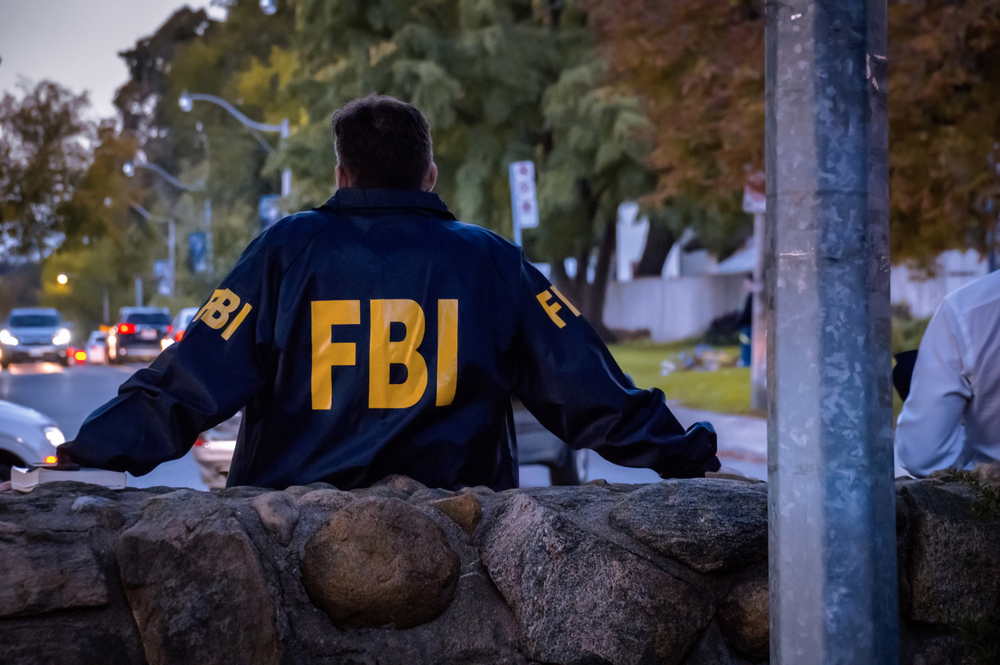
Somewhere inside FBI headquarters, there's a room full of documents that nobody was supposed to find. More than 2 million pages of records — connected to the lawfare campaigns against Donald Trump — were discovered in what insiders have called a "burn bag room" at the Bureau. And the FBI's proposed timeline for letting the public see them? One hundred and fifty-eight years.
At 500 pages per month, the last document would be processed around the year 2184.
Tom Fitton, president of Judicial Watch, laid that number before a federal court. "The FBI just told a federal judge in this case that, based on the rate of production, 500 a month, it will take 158 years to process," Fitton said. His organization filed the FOIA lawsuit that forced these records into public view in the first place. Without Judicial Watch, that room stays sealed.
The trove reportedly includes Jack Smith materials, Russiagate documents, and contents from actual burn bags — the destruction-ready pouches federal agencies use when they want records to disappear permanently. Initial estimates put the haul between 950,000 and 1.9 million pages. The latest count pushed past 2 million.
The question Fitton keeps asking is a good one. "Why didn't the FBI search this room in response to our other FOIA lawsuits?" he said. Judicial Watch has filed dozens of transparency requests over the years related to the FBI's conduct during the Trump investigations. The Bureau apparently never thought to check the room where they store documents marked for incineration. Or they did check, and chose not to mention it.
Dan Bongino, who served as Deputy FBI Director under Director Kash Patel, confirmed the scope of what was found. According to Bongino, some of the material dated back to the James Comey era and had never been processed using standard FBI procedures. Documents from the former director's tenure — sitting unprocessed in a hidden room, connected to the most politically charged investigations in modern American history.
"I know these are more important than the Epstein files," Fitton said. That's not a throwaway line. The Epstein document releases became a national obsession. The idea that the FBI's own internal records on its conduct during Russiagate, the Mueller probe, and the Jack Smith prosecutions might be even more explosive is the kind of claim that would normally invite pushback. But 2 million pages hidden in a burn bag room doesn't exactly scream transparency.
The FBI's defenders will point out that FOIA processing is genuinely slow and underfunded across the federal government. That's true as far as it goes. It becomes considerably less persuasive when the specific records in question document how the Bureau targeted a sitting president's political campaign, launched surveillance operations based on opposition research, and then pursued criminal cases against him after he left office. The usual bureaucratic excuses tend to wear thin when the bureaucracy is the subject of the documents.
Director Patel inherited an agency with a credibility deficit that could fill its own burn bag room. The records exist. The court knows they exist. The FBI's answer is to process them at a pace that would see completion sometime in the next century and a half.
Two million pages of records about what your government did to one man and everyone connected to him. Hidden in a room designed for destroying evidence. The FBI's plan isn't to release them. It's to outlive everyone who cares.