Alex Berenson, the former New York Times drug industry reporter who got booted off Twitter in August 2021 for saying COVID vaccines don't stop transmission or infection — which turned out to be completely true — has collected $150,000 from the federal government for violating his First Amendment rights. And now he's going after Pfizer Chair and CEO Albert Bourla and Pfizer board director Scott Gottlieb directly. The censorship industrial complex is getting invoiced, one defendant at a time.
Imagine getting paid by the government for being right. What a concept.
The settlement with the federal defendants explicitly acknowledged that the government "did in fact violate the First Amendment by exerting substantial coercive pressure on social media companies." Read that again. The United States government admitted in writing that it strong-armed social media platforms into silencing an American citizen for posting factually accurate information about vaccines.
The timeline of the scheme is something out of a banana republic. In April 2021, Biden White House senior adviser Andy Slavitt and other administration officials met with Twitter specifically about Berenson. His name was discussed as "ground zero for covid misinformation." By July 2021, Slavitt interviewed Berenson directly, and Bourla visited the White House that same month. By August 2021, Berenson was banned from Twitter entirely.
His last tweet before the ban? That COVID vaccines neither stop transmission nor infection. Which is now accepted scientific fact that even the CDC doesn't dispute. Whoops.
But here's where the story gets really good. The $150,000 federal settlement was reached before the 2nd U.S. Circuit Court of Appeals could even review the case — and the settlement language specifically preserves Berenson's claims against the Pfizer defendants. In other words, the government paid up and got out of the way so Berenson could aim directly at the pharmaceutical executives who pulled the strings.
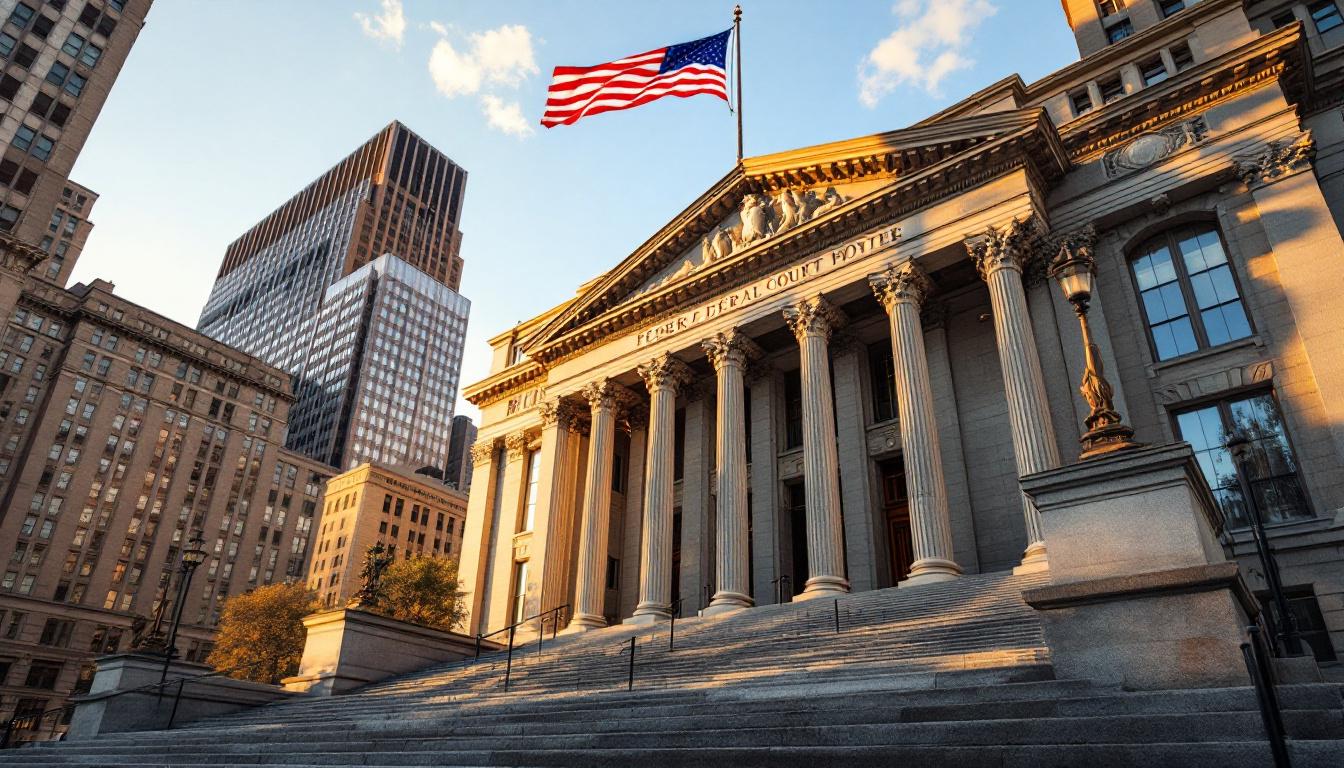
Berenson's attorney James Lawrence, a former Trump administration lawyer, filed suit in the U.S. District Court for the Southern District of New York under 42 U.S.C. § 1985 — the federal conspiracy statute that allows damages when people conspire to deprive someone of their civil rights. As Berenson's brief put it, "This case's posture is remarkable." No kidding.
The Pfizer side, naturally, is trying to wriggle out. Bourla and Gottlieb filed a response brief on May 11 arguing that "Berenson failed to plead a cognizable class." Translation: they're not arguing they didn't do it. They're arguing the legal paperwork isn't formatted right. That's the defense of innocent people, obviously.
Scott Gottlieb is a particularly interesting character in this saga. He served as Trump's first-term FDA commissioner before joining Pfizer's board — and according to the case, a Twitter lobbyist pushed Gottlieb's complaint about Berenson on a Saturday night. A Pfizer board director using back channels to get a journalist deplatformed. That's not a conspiracy theory. That's the court filing.
National Institutes of Health Director Jay Bhattacharya — himself a target of government censorship during COVID — summed it up perfectly when the settlement came through, telling Berenson, "You did it, man."
Not quite. He's not done yet.
Berenson himself said he "almost didn't take the deal" with the federal defendants. But the math made sense: take the $150,000, pocket the government's written confession, and use it as a battering ram against the pharma executives who actually orchestrated the censorship. Rob Flaherty, the White House Director of Digital Strategy, was the government's point man. But the real power was always on the Pfizer side of the table.
President Trump signed an executive order on Inauguration Day "ending federal censorship." That was the policy change. Berenson's lawsuit is the accountability. One without the other is just theater.
First the government admitted it censored him. Then it paid him. Now the Pfizer executives who demanded the censorship are sitting in a federal courtroom in New York trying to explain why a Saturday-night phone call to Twitter wasn't exactly what it looks like.
Good luck with that, gentlemen.