
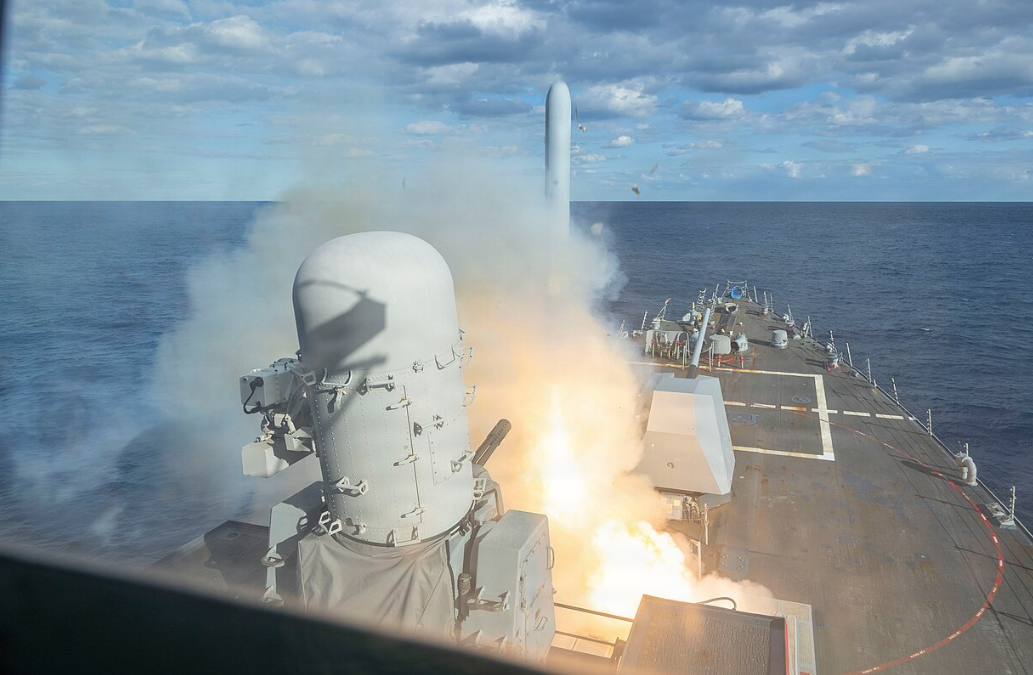
U.S. military aircraft struck Iranian targets on Qeshm Island this week after Iran attacked commercial vessels in the Strait of Hormuz. Then Iran asked to talk.
Iran requested high-level talks with the Trump administration. The United States is now pressuring Iran to again honor the ceasefire agreement to pause hostilities. President Trump sent special envoys Steve Witkoff and Jared Kushner to Doha to get the agreement in writing. The agreement includes a 30-day clock on Iran's acceptance of the lifting of the Strait of Hormuz naval blockade. Tehran didn't come to the table because diplomacy suddenly looked appealing. They came because the alternative was another round of airstrikes.
Days ago, Iran was launching drones at oil tankers. Now they're requesting meetings.
The sequence of events matters here. U.S. forces struck Iranian military targets on Qeshm Island in response to attacks on commercial shipping in the Strait of Hormuz. Iran's Islamic Revolutionary Guard Corps retaliated by targeting U.S. military positions in Kuwait and Bahrain. A fragile ceasefire was established. Then Iran picked up the phone and asked for talks.
That's not a diplomatic breakthrough. That's a country that ran the math and didn't like the answer.
White House Press Secretary Karoline Leavitt put the administration's position plainly: "Violence will be met with violence," adding that President Trump is "unafraid to use the might of our military." The U.S., she said, is holding "our end of the ceasefire." The implication was clear — the next move is Iran's.
President Trump made Iran's options even clearer on Truth Social. "United States aircraft just struck Iranian missile and drone storage locations, and coastal radar sites, for violating the Cease Fire Agreement, AGAIN!" he wrote. Then came the message that apparently concentrated minds in Tehran: "There may come a point when we are no longer able to be reasonable, and will be forced to militarily complete the job. If that happens, the Islamic Republic of Iran will no longer exist!"
That's not the language of a president who's bluffing. And Iran apparently did the math.
The Memorandum of Understanding framework gives Iran 30 days to accept the lifting of the naval blockade on the Strait of Hormuz — a critical chokepoint for global oil shipments. The blockade itself was a pressure tool. The 30-day clock is another one. Every element of this negotiation was structured so that Iran's only rational move was to agree.
Skeptics will argue that Iran has signed agreements before and violated them before. That's true. The ceasefire violations Trump referenced on Truth Social prove the point. But there's a meaningful difference between a deal backed by pallets of cash and a deal backed by airstrikes on your military infrastructure. The enforcement mechanism changed. Iran noticed.
The Obama administration's approach was to sweeten the pot until Iran agreed to terms it never intended to keep. The Biden administration continued the tradition of treating Tehran like a negotiating partner acting in good faith. The Trump approach skipped the pleasantries. You attack a tanker, we hit your installations. You violate the ceasefire, we hit your missile storage. The conversation gets simpler when both sides understand the consequences.
The Doha meeting will determine whether this MOU holds or whether it's another piece of paper. The 30-day window on the naval blockade creates a concrete deadline — not a vague "ongoing process" that stretches into years of diplomatic theater.
What's notable is what Iran didn't get. No sanctions relief announced. No frozen assets released. No goodwill gestures. They got a meeting in Doha and a 30-day timeline. Everything else, they have to earn.
The last time an American president got Iran to stop shooting, it cost $1.7 billion in cash on a cargo plane. This time it cost a few sorties — and Iran was the one who called to ask for a timeout.
The sequence of events matters here. U.S. forces carried out airstrikes targeting Iranian missile and drone storage locations and coastal radar sites. Iran responded with retaliatory strikes on Bahrain and Kuwait. Then an Iranian drone hit a Panama-flagged oil tanker. President Trump authorized further CENTCOM operations. And then — after all of that — Iran came to the table.
That's not a diplomatic breakthrough. That's a country that ran the math and didn't like the answer.
A senior U.S. official told Axios that both sides have "decided to stop all the kinetic activity." That's diplomatic language for "Iran stopped shooting." The same official confirmed plans to meet Tuesday in Qatar, where the terms of the MOU will be fleshed out.
President Trump made Iran's options very clear on Truth Social. "United States aircraft just struck Iranian missile and drone storage locations, and coastal radar sites, for violating the Cease Fire Agreement, AGAIN!" he wrote. Then came the message that apparently concentrated minds in Tehran: "There may come a point when we are no longer able to be reasonable, and will be forced to militarily complete the job. If that happens, the Islamic Republic of Iran will no longer exist!"
That's not the language of a president who's bluffing. And Iran apparently did the math.