
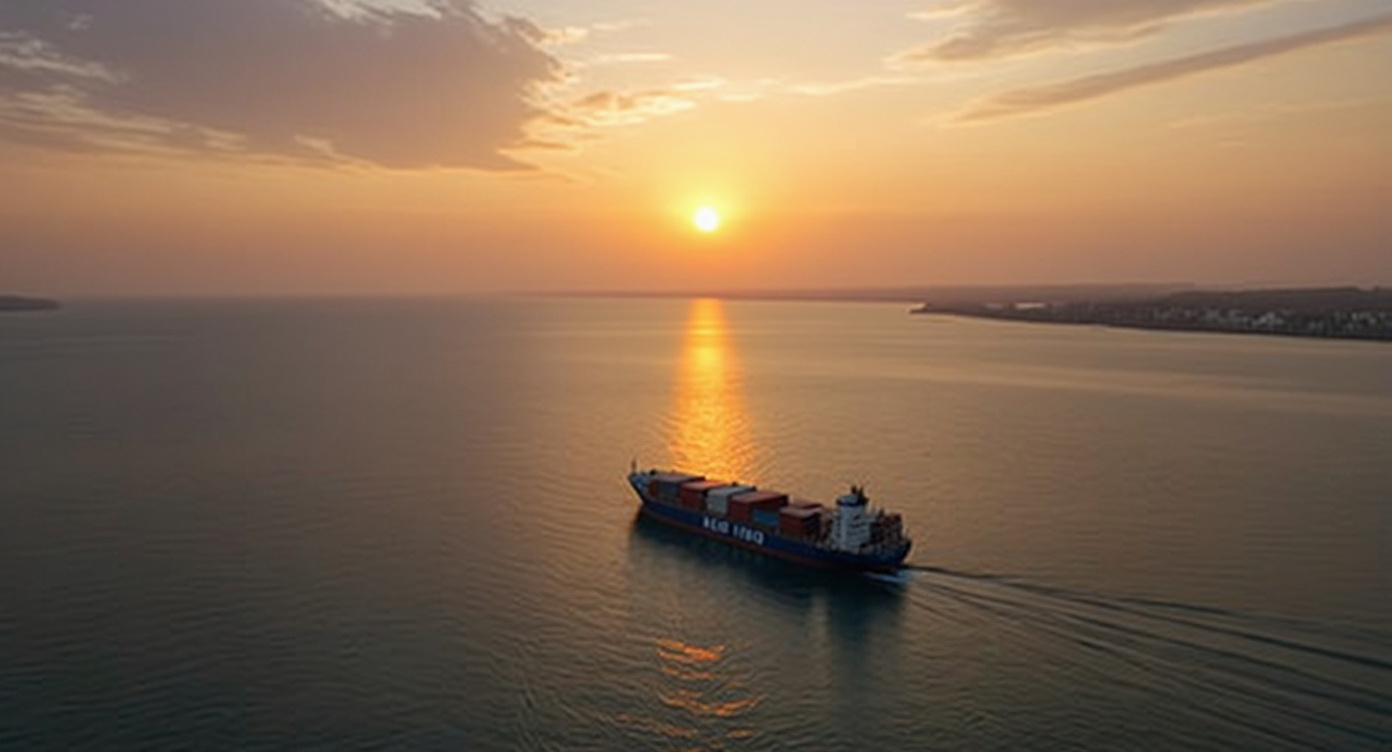
The Islamic Revolutionary Guard Corps attacked a Cyprus-flagged container ship called the M/V GFS Galaxy as it transited the Strait of Hormuz on Friday. The vessel sustained significant engine room damage. One civilian crew member is still missing.
CENTCOM's response involved approximately 140 Iranian military targets, precision munitions launched from land- and sea-based fighter aircraft, drones, and naval vessels. Defense Secretary Pete Hegseth summarized it in six words: "Iran made a poor choice. Now they pay."
The targets weren't random. According to U.S. Central Command, the strikes hit Iranian missile and drone sites, naval capabilities, ammunition storage facilities, communication networks, and coastal surveillance locations near Bandar Abbas and Sirik. This wasn't a warning shot across the bow. This was methodical degradation of Iran's ability to threaten commercial shipping.
Friday's operation was the third round of strikes this week. Over three nights, CENTCOM has struck more than 300 total targets at the direction of the Commander in Chief. The objective, per CENTCOM's own statement: to degrade Iran's ability to attack civilian mariners and commercial vessels freely transiting the strait.
The Strait of Hormuz isn't an abstract geopolitical concept. One-fifth of all traded oil and natural gas passed through that waterway before this conflict began. When Iran announced it was closing the strait "until further notice," oil spiked to $120 per barrel. That's not a Middle Eastern problem. That's your gas bill, your heating costs, and the price of everything that moves by truck.
Iran's Revolutionary Guard claimed the ships they targeted "disregarded our warnings and instructions to correct their course." In other words: we told civilian cargo ships to obey us, and they didn't. That's Tehran's justification for attacking international commercial shipping in one of the most critical waterways on the planet.
Two rounds of strikes have already produced casualties — at least 17 killed and 115 wounded on the Iranian side, according to Iranian Health Ministry spokesperson Hossein Kermanpour. Supreme Leader Ayatollah Mojtaba Khamenei declared that avenging his father's death "is the will of our nation and must certainly be carried out." So escalation remains on the table from Tehran.
The contrast with four years ago is difficult to overstate. The war that began on February 28 has tested whether the United States will actually enforce freedom of navigation or just talk about it. Three hundred targets in three nights is an answer. Iran seized a shipping lane and declared sovereignty over international waters. The response wasn't a strongly worded letter to the UN. It wasn't a round of emergency diplomacy. It was precision munitions on 140 military installations in a single night.
As reported by the New York Post and the Gateway Pundit, CENTCOM released footage of the strikes — which is its own kind of message. You don't publish the video unless you want the audience to see it. And the audience isn't just the American public.
One-fifth of the world's energy supply runs through a strait that Iran thought it could close. The shipping lane is still there. Some of Iran's coastal surveillance sites are not.