
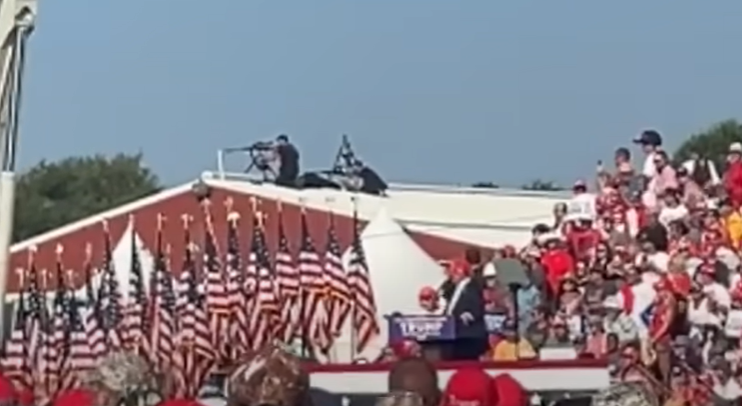
Jim Copenhaver spent a week in the hospital after a gunman's bullet tore through his triceps at a Trump rally in Butler, Pennsylvania. A second round lodged inside his body, shredding his colon and leaving him with nerve damage that never healed.
He went home. He endured. And two years later, at 76 years old, he's gone.
House Republicans announced Copenhaver's death on September 24, 2026, calling him a man who "endured unimaginable hardship with strength and perseverance." That's the official language. The unofficial version is simpler: a retired American went to see his president speak and paid for it with his life.
Copenhaver was one of three spectators struck by gunfire during the July 2024 assassination attempt on Donald Trump. Corey Comperatore, a volunteer firefighter, died at the scene shielding his family from the bullets. David Dutch was seriously wounded. Trump himself took a round that grazed his ear.
The images from that day — Trump raising his fist, blood streaking down his face, Secret Service agents swarming the stage — became iconic. What didn't make the iconic photos was Copenhaver, lying in the bleachers with two bullets in him, wondering if he was going to die at a campaign rally in western Pennsylvania.
He didn't die that day. But the damage was already done. The colon injury. The nerve damage. The kind of wounds that don't show up in headlines but show up every morning when you try to get out of bed at 76.
"We are deeply saddened by the passing of Jim Copenhaver, who was gravely wounded in the horrific shooting in Butler, Pennsylvania," House Republicans said in their statement. "We join his family and loved ones in mourning his loss and praying for them during this difficult time. May he rest in peace."
There's a version of the Butler story that gets told as a near-miss — Trump survived, democracy was tested, the nation moved on. That version skips the part where a 76-year-old man spent two years living with the consequences those bullets left behind.
Copenhaver wasn't a politician. He wasn't a commentator or a campaign operative. He was a retiree who showed up to a rally because he wanted to hear the president speak. The kind of person who makes up the crowd at every campaign event in every swing state — someone with nowhere to be except where he wanted to be.
The man who shot him is dead. The investigations produced reports. The congressional hearings generated testimony. Washington moved on to the next cycle. And Jim Copenhaver went home to deal with what was left of his body, quietly, without cameras, for two years.
Two years is a long time to carry a bullet. He was 76.