
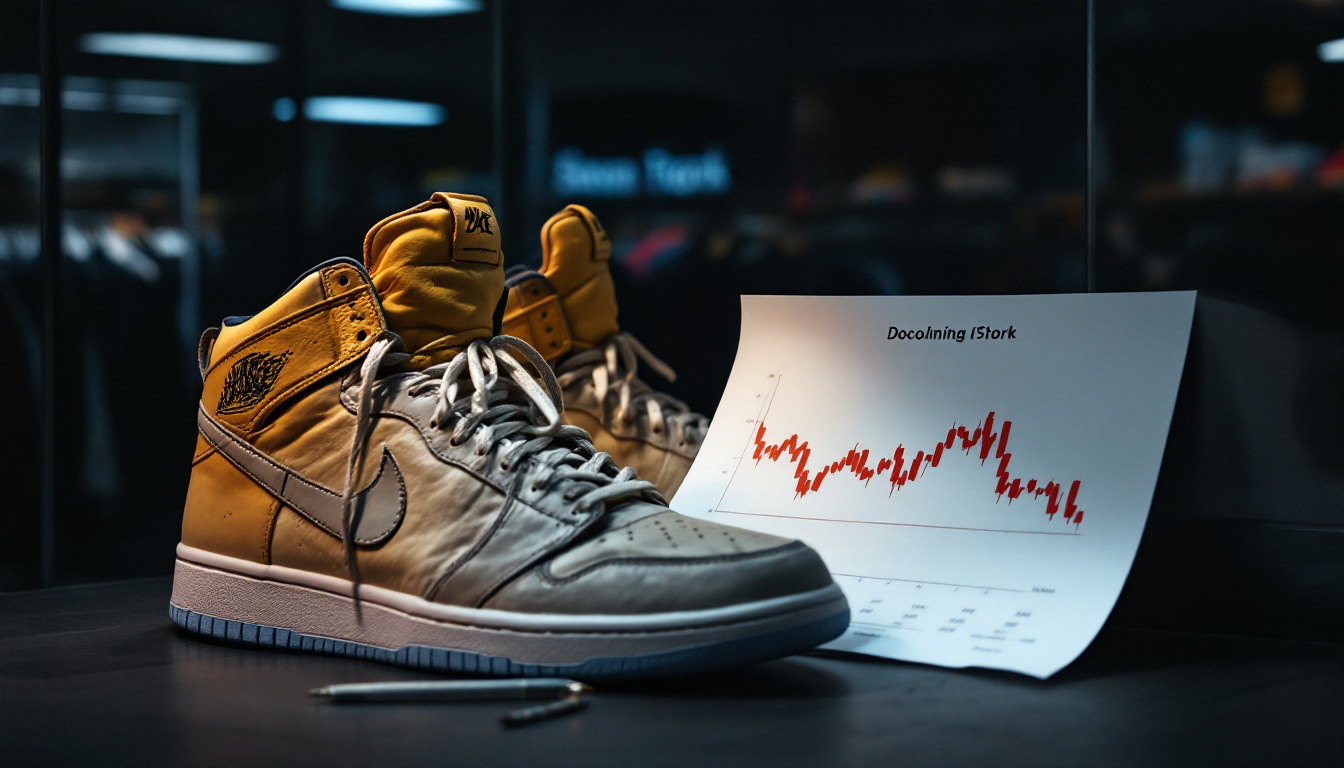
There was a time when Nike obsessed over milliseconds. Shaving fractions off sprint times, engineering the perfect cleat, building shoes that made athletes faster. That was the company that turned a swoosh into the most recognized logo on the planet.
Then somewhere around 2020, the milliseconds stopped mattering.
A fresh analysis from ZeroHedge lays out the corporate autopsy in brutal detail. Nike's decline tracks almost perfectly to its pivot from athletic performance to social activism. The company that built an empire celebrating winners decided it would rather lecture customers about politics. The transformation started with Colin Kaepernick — the quarterback who became more famous for kneeling than for his completion percentage — and accelerated into what ZeroHedge describes as a full "DEI and ESG crusade" after 2020.
The results are exactly what you'd expect when a shoe company decides it's actually a seminary.
While Nike was busy trying to win America's culture wars, two competitors were busy winning something else: customers. Hoka and On spent those same years doing the boring work Nike abandoned — obsessing over product excellence, engineering better running shoes, and talking to athletes instead of activists. As ZeroHedge puts it, "Nike spent years trying to win America's culture wars. Hoka and On spent those same years trying to win runners."
That single sentence is the whole story.
The damage extends beyond domestic market share. Nike's China business took hits. World Cup sponsorship advantages eroded. The brand that once defined athletic aspiration became associated with political positioning — and consumers who just wanted good shoes found plenty of alternatives happy to sell them some without a side of social justice.
Now, Nike's defenders will tell you the athletic footwear market simply got more competitive. More brands, more options, more innovation across the industry. And that's partially true. But it doesn't explain why the competitors eating Nike's lunch are the ones who stuck to the old Nike playbook — the one where "product is king" and the marketing budget goes toward showcasing performance instead of broadcasting political opinions.
The pattern repeats across corporate America with the consistency of a metronome. Bud Light. Target. Disney. The companies that decided their customers needed moral instruction instead of good products watched their market positions erode while competitors who stuck to business quietly absorbed the refugees. It's not complicated economics. People buy shoes to run in, not to make a statement about systemic inequality.
The swoosh used to mean "Just Do It." Three words that captured something primal about competition and human achievement. No politics. No ideology. Just the idea that you could push harder and go further.
Nobody's putting that on a Kaepernick jersey.