
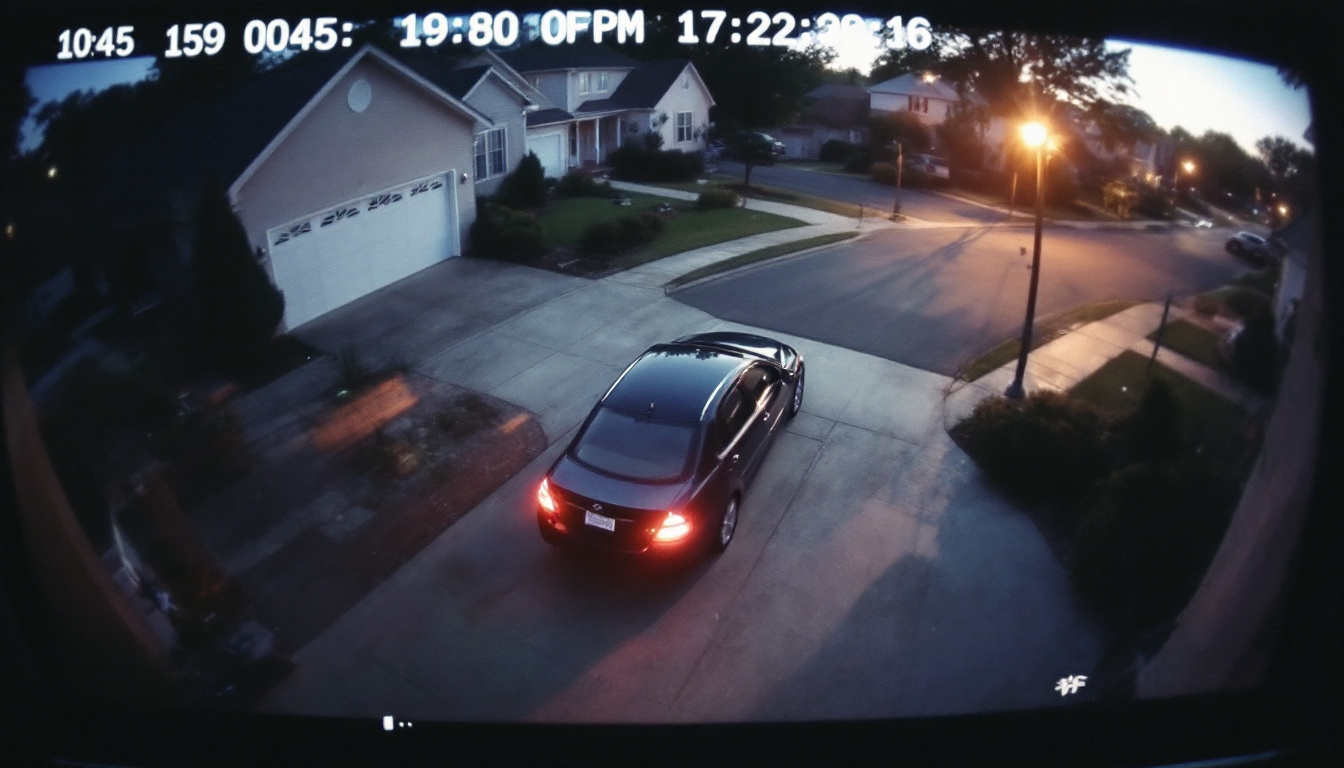
Every morning, Ram Kuma Chhetri pulled into a driveway in Harrisburg, Pennsylvania. He sat in his car for two or three minutes. Then he drove home, a mile away.
In the evening, he did it again.
On paper, Chhetri was working 11 hours a day, from 6 a.m. to 5 p.m., seven days a week, caring for a client named Suk Tamang. That's 77 hours a week, and Pennsylvania's Medicaid program was paying about $82,000 a year for it.
A months-long hidden-camera investigation by the Daily Wire caught it on video. Morning after morning, the car pulls in, nobody gets out, and the car leaves. There were no groceries carried in and no care given, just a few minutes in the driveway and the meter running all day.
He reportedly had a second home care job at the same time. Together, the two were billing an estimated $160,000 a year.
When he was confronted with the footage on August 14, Chhetri said he'd been shopping for his client. The video showed otherwise. Three days later, he quit.
The program had a way to check up on him, at least in theory. Aides clock in and out on a phone app that records their location. Chhetri's app showed him on the job for full shifts. All he had to do was show up long enough to clock in. The app doesn't track whether the aide stays.
And the person at his agency in charge of making sure aides were where they said they were was Dilu Monger. The client Chhetri was supposedly caring for was reportedly her aunt, at her house.
So the person checking Chhetri's timesheets lived at the house he was billing for.
Monger's husband, Roshan Bhai, trains the agency's home care aides. The family drives a Range Rover and a custom Tesla Cybertruck.
The agency, Gaunley Home Care, bills Pennsylvania Medicaid about $150,000 a month. All of its money comes from Medicaid. Most of its business, 80 to 85 percent, is "family caregiving," where relatives get paid by the government to take care of relatives.
Its owner, Biras Adhikari, says there's "no way for us to find out" whether aides actually do the work. Stopping fraud, he said, is "the lawmakers' job."
Pennsylvania's lawmakers haven't done much of it. The state spent $530 million on Medicaid home care in 2021. By 2024, it was $850 million. Agencies take roughly a quarter off the top of what the state pays.
The investigation found that Gov. Josh Shapiro's administration announces its inspections ahead of time, giving operators a heads-up to get their paperwork in order. When lawmakers wrote a bill to crack down on fraud, a provision that would have tracked aides' locations throughout their shifts, not just at clock-in, got stripped out before it passed. That one fix would have caught Chhetri on day one.
It's not one bad apple. Federal prosecutors charged 19 people in Pennsylvania home care fraud schemes this year. One scheme was run from inside a prison. When a DEA agent arrested a drug trafficker tied to home care fraud in August, the suspect told him: "Everyone is doing this. If this is a problem, you'll have to arrest the whole city."
Thirty-three states run similar Medicaid home care programs. Pennsylvania happens to be the one where somebody showed up with a camera.
Taxpayers paid for 77 hours a week. Chhetri gave them about five minutes a day in a driveway.