
Yesterday, we exposed the growing digital threat to retirees—how cyber criminals are targeting you with scams the elites never fall for. But today, let’s shift gears and talk about something positive, powerful, and often overlooked: the life-saving power of hobbies.
That’s right. Gardening. Woodworking. Painting. Fishing. Even puzzles. These “small” joys aren’t just for fun—they’re quietly extending lifespans, improving brain health, and keeping retirees out of hospitals.
The deep state may be investing in AI and control grids, but free-thinking Americans are finding freedom in dirt under their fingernails and paint on their hands. Why? Because purpose and pleasure matter more than pills.
The Science Is Clear—Hobbies Keep You Alive
New research from the National Institute on Aging confirms what many retirees already know: regular engagement in hobbies is directly linked to lower rates of depression, heart disease, and cognitive decline.
Here’s what studies show:
- Retirees who garden, do crafts, or play music at least 3x per week have a 30% lower risk of dementia
- Regular hobbyists show reduced blood pressure, cortisol levels, and inflammation
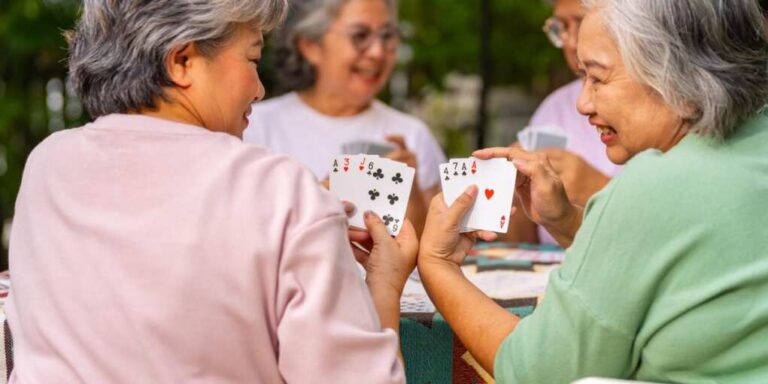
- Social hobbies (like community theater or group sports) dramatically reduce the risk of isolation, which is now considered as deadly as smoking a pack a day
Even simple hobbies like walking clubs, crossword competitions, or learning guitar online can give the brain what it craves: stimulation, mastery, and joy.
What the Elites Don’t Tell You…
Billionaires buy private islands for “escape.” But you don’t need an island—you just need purpose. When retirees give up meaningful work and don’t replace it with something that excites them, their health plummets. And Big Pharma loves it.
Instead of hobbies, they push pills. Instead of nature, they sell subscriptions. But those who unplug and pursue a passion? They thrive.
Best Hobbies for Health in Retirement
- Gardening: Good for your body and mind. Just 30 minutes a day in the garden improves vitamin D levels, mood, and heart health.
- Woodworking or Crafts: Boosts coordination, focus, and problem-solving. Plus, it gives you tangible results—a table, a birdhouse, a gift for the grandkids.
- Playing or Listening to Music: Stimulates memory and motor skills while reducing anxiety.
- Volunteering: Purpose-driven social interaction. It’s free and feeds the soul.
- Learning Something New: Taking up a new language, skill, or subject keeps the brain young. Neuroplasticity doesn’t retire when you do.
And get this: retirees who actively pursue hobbies report greater satisfaction with life, fewer doctor visits, and more optimism about the future—no matter their income level.
How to Get Started
Start small. Choose something that genuinely excites you—not what others expect you to do. Then schedule time for it like it matters. Because it does.
Want to really commit? Join a local group or challenge a friend to learn with you. Accountability turns good intentions into habits.
Tomorrow, we’re pivoting again—this time to the legal side of retirement. Specifically, the danger of DIY wills and how one missing clause can tear families apart after you’re gone.