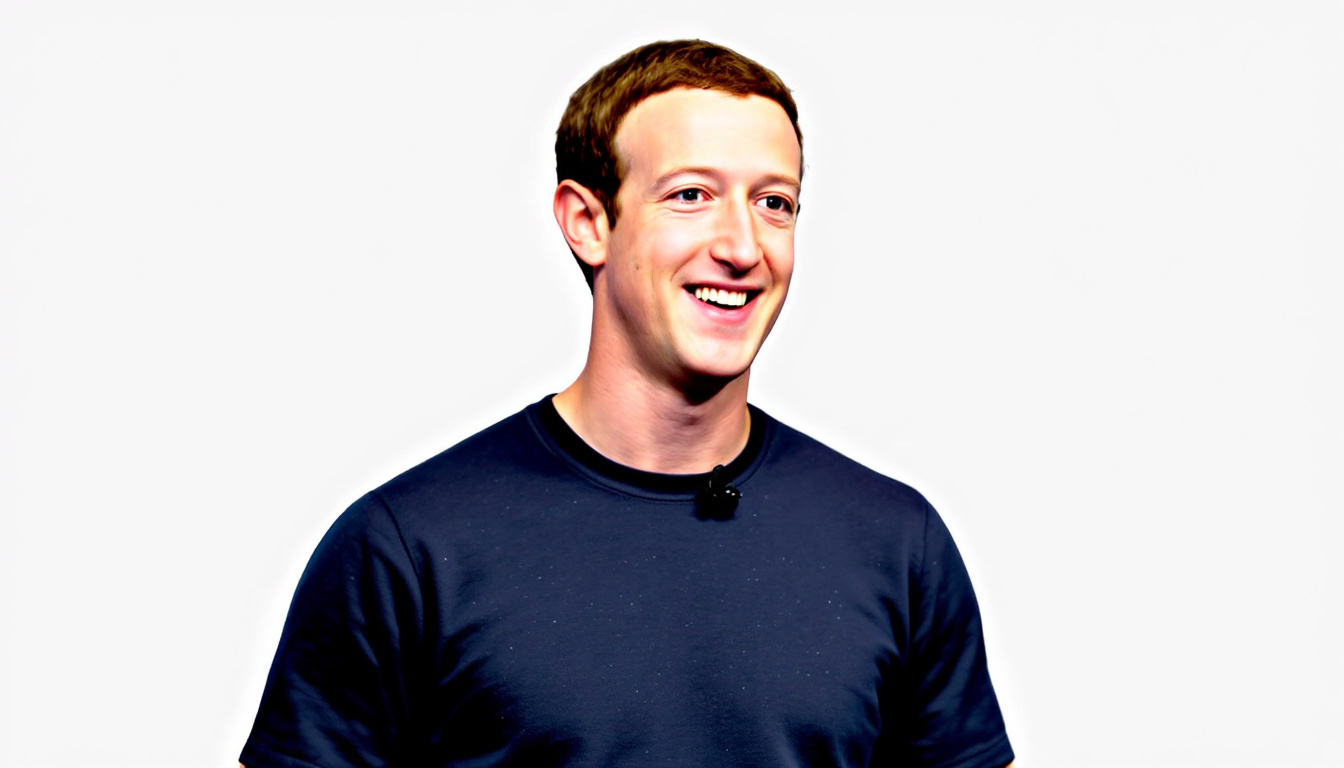
In July 2020, during an internal Q&A session with Facebook employees, Mark Zuckerberg said something remarkable. "I do just want to make sure that I share some caution on this because we just don't know the long-term side effects of basically modifying people's DNA and RNA," the Meta CEO told his team, referring to the mRNA COVID vaccines then in development.
Facebook's official content moderation policy at the time specifically banned users for posting "claims that the COVID-19 vaccine changes people's DNA." His own words would have gotten any regular user flagged, suppressed, or booted from the platform.
The leaked video, originally published by Project Veritas and now recirculating after UK Member of Parliament Andrew Bridgen posted it on June 19, 2026 — where it racked up 1.7 million views, 24,000 retweets, and 63,500 likes in three days — captures Zuckerberg speaking candidly in a way he never did publicly. He wasn't hedging. He wasn't asking a question. He was issuing a caution to the people who worked for him, about a product his platform was simultaneously telling the rest of America was beyond reproach.
By November 2020, Zuckerberg had course-corrected — publicly, at least. During a livestream with Dr. Anthony Fauci, he stated, "Just to clear up one point, my understanding is that these vaccines do not modify your DNA or RNA." Fauci assured him that foreign material introduced via vaccine "will ultimately get cleared" and does not alter a person's inherent DNA.
So the private Zuckerberg of July had concerns serious enough to warn his executives. The public Zuckerberg of November had no concerns at all. Somewhere between those two dates, the CEO of the largest social media platform on earth decided the rest of us didn't deserve the same candor his inner circle got.
What happened to the doctors, scientists, and ordinary people who raised similar questions during that same window? Facebook removed their posts. Flagged their accounts. Throttled their reach. Some lost their pages entirely. The platform's own policy was explicit: any claim that COVID vaccines alter DNA was misinformation, full stop. Zuckerberg said it behind closed doors and faced zero consequences. A nurse in Ohio said it on her personal page and got a thirty-day ban.
Meta has not commented on the recirculating video. The company's standard position has been that Zuckerberg's July 2020 remarks reflected an early misunderstanding of mRNA technology that he later corrected publicly. That's a reasonable explanation — people learn new information and update their views. It happens.
But the policy didn't offer that same grace to anyone else. There was no "early misunderstanding" exemption for the millions of users who asked questions, shared concerns, or cited their own doctors' advice. The policy was binary: you either accepted the official line or you were spreading dangerous misinformation. Zuckerberg got to evolve. Everyone else got censored.
The gap between July and November 2020 is where the real story lives. During those months, Zuckerberg privately held a position that his own platform classified as bannable misinformation. He wasn't some fringe account with forty-seven followers. He was the man who built the censorship machine, set its parameters, and approved its enforcement — while personally failing its test.
He warned his executives. His platform silenced yours.